



 86 minutes of paid-UGC alphaHector Serrano · Wispr Flow
 ChatGPT Should Have Killed His AI SaaS. Instead, He's Nearing $10MAlon Talmor · Mosaic AI
 Databricks' Ali Ghodsi Never Wanted to Be CEO. Now He's Among the BestAli Ghodsi · Databricks
Topics / 🚀 Launching a startup
The Hypotheses Behind Reforge's Journey From $0 to $30M
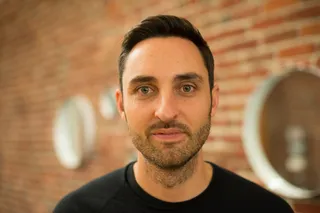
Brian Balfour of Reforge shares the Business Hypothesis Canvas he wrote in 2016, before incorporating, and walks through how it works. His core point is that founders should start with the audience and problem rather than the solution, and sort each hypothesis into what matters now, later, or not at all.
We link to the original and never republish it. All credit to Brian Balfour.
Key takeaways
- Start with the target audience and problem before the solution. Balfour says that if those two are unclear, the rest doesn't matter.
- Label each hypothesis Now, Future, or Not a Focus. This lets you take things off the table in a low-pressure way without having to say "never."
- Keep a parking lot for strategic questions you can't answer yet, so they don't slow you down. Some of Balfour's from 7 years ago are still open.
- Find your pillar hypothesis, usually the one with cascading effects if it's wrong, and put your limited time there. For Reforge it was serving underserved mid-career professionals.
- Protect your core insight from outside pressure. Balfour kept saying no to "get a job" courses, certificates, and custom courses because they didn't fit his hypotheses.
Who it's for
Founders at the idea or pre-launch stage who want a fast, practical way to organize their thinking and stay focused.
Why it's worth your time
The canvas is from 2016, but Balfour says most of its hypotheses proved correct and took Reforge from $0 to $30M, and the approach of stating focus and non-focus up front still holds.
More from Brian
All from Brian Balfour →


More on launching a startup
All 69 →
The best founder writing, in your inbox
Hand-picked essays, talks and decks from the founders who built the companies. Free, and you can unsubscribe any time.